
This shows the subject from below. As such a director may use this shot to give the audience the impression that the subject is being more powerful or dominant.
 A high angle shows the subject from above, i.e. the camera is angled down towards the subject. A director would use this as this has the effect of diminishing the subject, making them appear less powerful, less significant or even submissive.


 In the long shot, the subject takes up the full frame. In this case, Thor's feet are almost at the bottom of frame and his head is almost at the top. Obviously the subject doesn't take up the whole width and height of the frame, since this is as close as we can get without losing any part of him. The small amount of room above and below the subject can be thought of as safety room — you don't want to be cutting the top of the head off. It would also look uncomfortable if his feet and head were exactly at the top and bottom of frame.
 A Mid Long Shot is also know as a three quarters shot as it frames the whole subject from the knees up. It is a intermediate shot between the long shot and the mid shot which shows the subject in relation to the surroundings. A director might use it when they have 2 or 3 people in the frame so the audience is able to see the actions and some reactions of all characters in the shot.
 The mid shot shows some part of the subject in more detail, whilst still showing enough for the audience to feel as if they were looking at the whole subject. In fact, this is an approximation of how you would see a person "in the flesh" if you were having a casual conversation. Because you wouldn't be paying any attention to their lower body, that part of the picture is unnecessary.
 A director may choose to use a mid shot as appropriate when the subject is speaking without too much emotion or intense concentration. It also works well when the intent is to deliver information, which is why it is frequently used by news presenters on TV. You will often see a story begin with a mid shot of the reporter (providing information), followed by closer shots of interview subjects (providing reactions and emotion).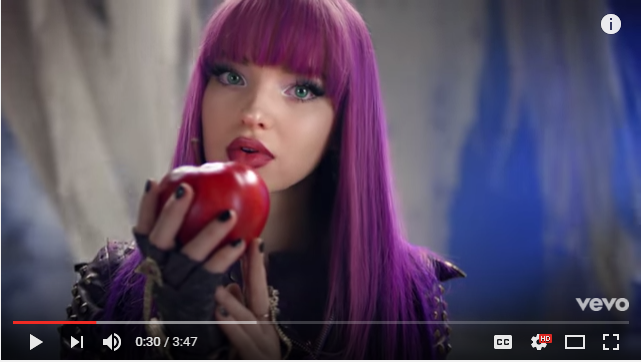

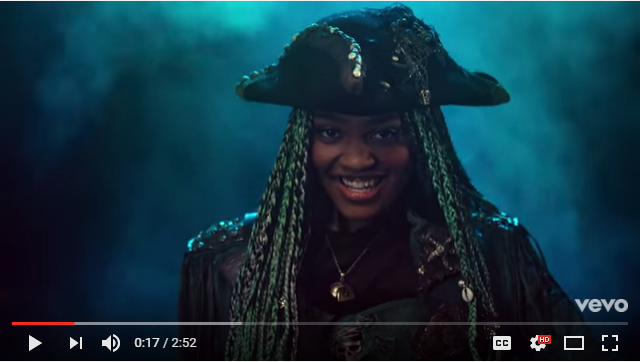
 A big close up (BCU) consists of a person's entire face filling the shot. These shots are very intense. The BCU is too close to show general reactions or emotions which makes it more dramatic. it is used to show the detail and facial expression of the character.


